
Ireland's pharmaceutical sector generated €139 billion in exports in 2025, representing 53 per cent of all goods exports. The Pharmaceutical Sector in Ireland report, published by Goodbody and IPHA in March 2026, confirms 75,200 people are employed in the sector, growing at three times the broader labour market pace. Ireland is the EU's second-largest pharmaceutical exporter with the most FDA-registered manufacturing sites per capita in Europe. For Irish logistics operators, the question is whether their supply chain management capability can compete for the contracts that global third-party logistics providers are already targeting.
The commercial stakes are visible in what is moving. Ireland's pharmaceutical exports to the United States surged to €86 billion in 2025, driven by GLP-1 medicines and a structural boom in biologics. Mordor Intelligence confirms the European pharmaceutical cold chain market stood at €22.5 billion in 2026, forecast to reach €28.3 billion by 2031, with half of all new drug approvals now in cold-chain categories. For logistics operators centred on ambient delivery, distribution, and fleet management, this is a procurement differentiation opportunity requiring targeted investment.
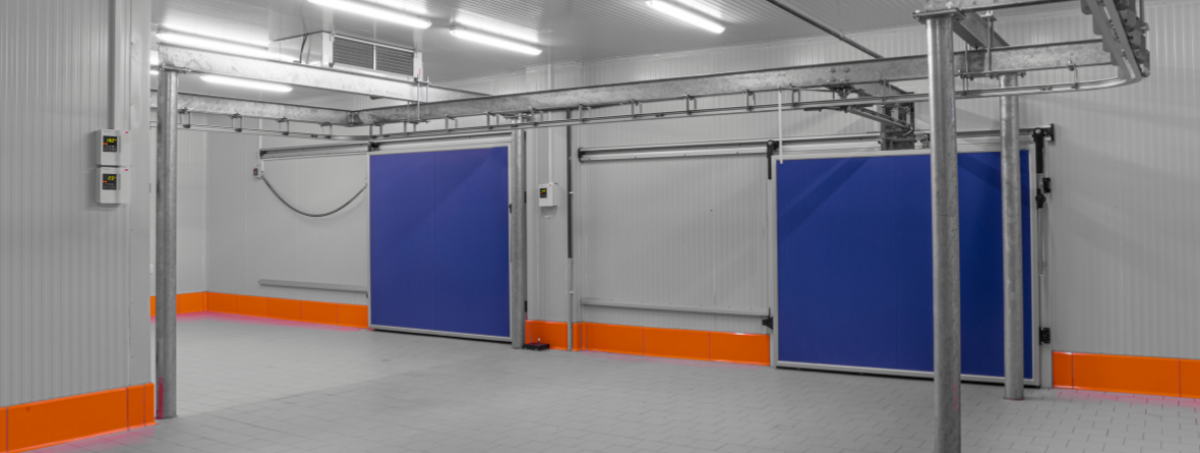
EU Good Distribution Practice guidelines require documented temperature control across the supply chain management process, GDP-trained personnel, and audit-ready documentation. Alltrans June 2026 confirms these standards require dedicated temperature-controlled vehicles, dual-refrigeration units, alarm systems, GDP-qualified drivers, and integrated telematics providing continuous temperature and GPS data. The warehousing investment includes validated cold-store infrastructure, segregated storage, and documented deviation management protocols.
Ireland's structural position in the global pharmaceutical supply chain is deepening. The IDA Ireland Future of Biopharma strategy, December 2025, confirms the sector is targeting €7 billion in R&D, with advanced biologics and cell and gene therapies as priorities. NIBRT opened a €21 million advanced-therapies facility in 2024, expanding cell and gene therapy capacity, requiring cryogenic logistics and ultra-cold transport. The sector requires 6,000 additional workers per year by 2027, reinforcing logistics infrastructure demands.
Three developments define the commercial opportunity. The GLP-1 boom is structural: Irish exports of hormone-related pharmaceutical ingredients nearly quadrupled in 2025, representing 20 per cent of goods exports. Cell and gene therapies are expanding: Europe's market is projected to grow at 23 per cent annually, creating cryogenic transport management demand. The EU GDP compliance environment is tightening: manufacturers are requiring logistics providers to demonstrate compliance before awarding contracts.
Three actions merit prioritisation. Operators should conduct a GDP readiness assessment to identify gaps in vehicle specifications, driver certification, warehousing standards, and documentation, treating GDP compliance as a commercial procurement prerequisite. Organisations should invest in temperature-controlled vehicles with integrated telematics and chain-of-custody documentation, beginning with the 2 to 8 degree Celsius range that accounts for most pharmaceutical delivery. Boards should establish a pharmaceutical logistics roadmap covering cold-store warehousing, GDP driver training, and operational efficiency for temperature excursion management.
Ireland's pharmaceutical sector is a structural part of the economy, not a cyclical upswing. Logistics and transport operators who build GDP-compliant infrastructure, invest in temperature-controlled delivery and warehousing, and position as contract-ready pharmaceutical partners will secure a commercial position that road-ambient operators cannot replicate.







.png)