
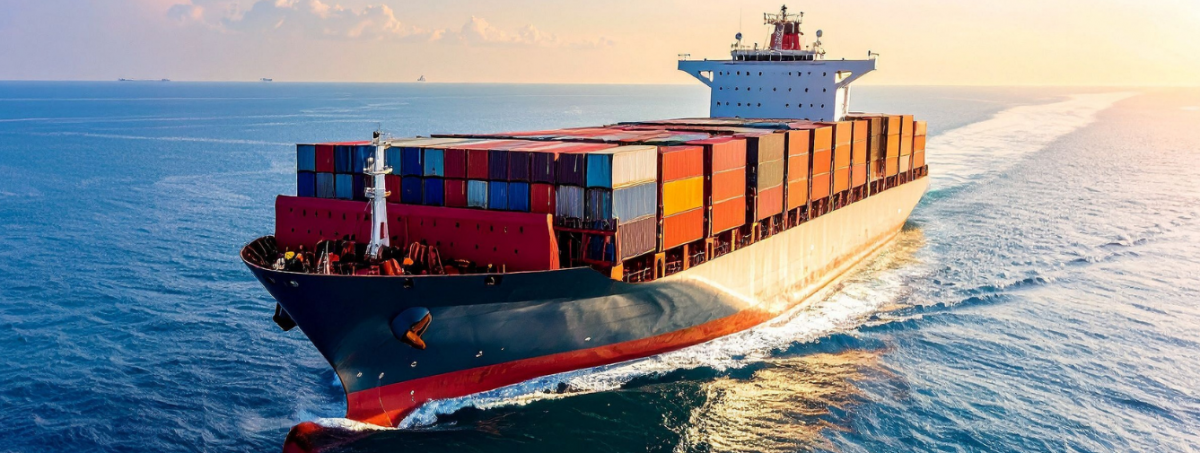
Ireland's ports handled 54 million tonnes of goods in 2025, a 6 per cent increase on 2024 and the highest throughput ever recorded. The Central Statistics Office Statistics of Port Traffic Quarter 4 and Year 2025, published in March 2026, confirms goods forwarded rose 9 per cent and goods received 4 per cent. Dublin Port accounted for 47 per cent of all tonnage, Shannon Foynes for 9.36 million tonnes. This maritime freight ecosystem warrants engagement.
Ireland's logistics sector moves 99 per cent of domestic freight by road, creating exposure to driver shortages, fuel cost volatility, and escalating emissions requirements. Short sea shipping services on UK, European, and transatlantic routes offer operators a genuine opportunity to diversify their modal mix. Three developments underpin the commercial case: Dublin Port expansion, the strategic potential of Shannon Foynes, and the proven emissions and resilience advantages of short sea shipping.
Dublin Port is investing at a scale that will materially expand freight capacity. The €400 million 3FM Project, beginning construction in 2026, will deliver a Lo-Lo terminal with capacity of 360,000 containers and a Ro-Ro freight terminal with capacity of 288,000 freight trailers, alongside the €1.6 billion Masterplan 2040 programme. For operators reliant on road, expanding Ro-Ro capacity offers a competitive alternative on corridors where shipping frequency and trailer compatibility make maritime a natural complement.
Shannon Foynes Port Company's record throughput of 9.36 million tonnes in 2025 confirms the western estuary's position as a freight asset of national significance. CEO Pat Keating has stated that the Limerick to Foynes road upgrade is critical to relieve pressure on the east coast supply chain. The reinstated Foynes rail link, operational from 2026, targets a 14-fold increase in rail freight by 2035. Operators using Dublin exclusively should consider Shannon Foynes as a more efficient alternative.
The emissions case for short sea shipping is well established. The European Short Sea Network confirms short sea shipping reduces freight emissions by up to 50 per cent per tonne-kilometre and delivers comparable transit times on corridors above 500 kilometres. The Irish Maritime Development Office confirms Ro-Ro services on Irish Sea, Celtic, and Atlantic routes serve agri-food, retail, pharmaceutical, and manufacturing flows. Operators planning decarbonisation roadmaps should incorporate maritime freight as a lower-emission component of supply chain architecture.
Three actions merit prioritisation. Operators should conduct a route-by-route analysis identifying corridors where Ro-Ro or Lo-Lo maritime services offer cost, time, or emissions advantages over road-only approaches. Organisations should engage with Dublin Port Company and Shannon Foynes Port Company on capacity availability and shipper partnership programmes. Boards should incorporate maritime modal share targets into their supply chain decarbonisation strategies, treating sea freight as a component of Ireland's most resilient logistics operations.
Ireland's maritime freight growth is not an ancillary story. At 54 million tonnes and growing, Irish port throughput represents an expanding freight infrastructure increasingly connected to the global logistics network. Operators who integrate maritime routing into their modal strategies will absorb road cost shocks, meet emissions targets, and serve customers scrutinising supply chain sustainability.
(The views expressed by the writer are his/her own and do not necessarily reflect the views or positions of BusinessRiver.)






.png)