
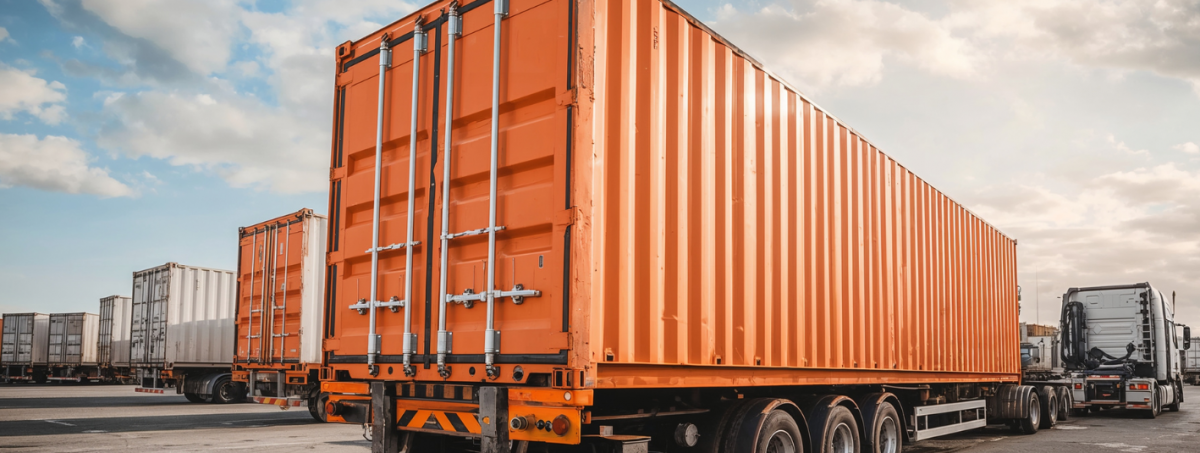
Ireland's road freight sector moves 99 per cent of all goods within the country on fossil fuels, yet the commercial case for transitioning to alternatives has never been stronger. The Department of Transport's Alternative Fuels for Transport Working Group 2025 Report, published in March 2026, sets out a multi-pathway framework covering hydrotreated vegetable oil, hydrogen, battery electric vehicles, and biomethane for commercial fleets. For logistics and transport operators, the significance lies not in regulatory obligation but in what it signals: Ireland's alternative fuels ecosystem is maturing, infrastructure is accelerating, and the competitive gap between early movers and those who delay is widening.
The report argues that decarbonising road freight requires diverse energy pathways, and that diversity makes the opportunity compelling for operators of all sizes. Three pathways deserve attention: HVO as the immediate bridge fuel requiring no vehicle modification, battery electric vehicles for regional and urban distribution, and hydrogen for heavy long-haul operations.
HVO offers the most accessible entry point. As a drop-in diesel replacement requiring no vehicle conversion, it can be deployed immediately across existing fleets delivering emissions reductions without disrupting operations. Ireland's Renewable Transport Fuel Obligation mandates rising renewable fuel blending rates through 2030, and operators who integrate HVO now will meet compliance requirements ahead of schedule while building supplier relationships competitors will need to acquire under greater cost pressure. Early adoption in a rising-cost environment is almost always cheaper than reactive compliance.
Battery electric vehicles are transforming the economics of regional and urban freight. According to the European Alternative Fuels Observatory, Ireland's EV market rebounded strongly in 2025, with the battery-electric bus fleet more than doubling and public charging infrastructure expanding to over 2,500 points across the country. Peer-reviewed research published in Scientific Reports confirms electric trucks dominate cost-optimal decarbonisation pathways for light and medium freight in Ireland. Operators building electric distribution fleets are locking in lower energy costs, reduced maintenance, and assets aligned with shipper procurement requirements.
Hydrogen fuel cell technology is positioned for heavy, long-haul operations where battery range and payload constraints limit electrification. The Working Group report confirms hydrogen infrastructure is a priority for 2026, with the National Planning Framework targeting refuelling corridors on the TEN-T core network. Logistics operators with heavy-haulage routes should scope hydrogen integration now and position to benefit from the Alternatively Fuelled Heavy-Duty Vehicle Grant Scheme while funding is available.
Three actions merit prioritisation. Operators should integrate HVO blending into existing fleets immediately, reducing emissions and building compliance headroom without capital expenditure on new vehicles. Organisations should develop phased electrification plans for regional and urban routes, aligning procurement with expanding infrastructure and grant support. Boards should commission hydrogen feasibility assessments for long-haul operations, building knowledge to make well-timed decisions as technology matures.
Ireland's road freight operators are well positioned to lead. The policy framework is in place, capital supports are available, technology pathways are clear, and commercial rewards for early movers are substantial. Operators who act with conviction in 2026 will set the competitive terms of the sector in 2030.
(The views expressed by the writer are his/her own and do not necessarily reflect the views or positions of BusinessRiver.)







.png)